

The Psychological Tactics of Casinos
Casinos employ various psychological tactics to influence the gambling decisions of their patrons. These strategies are essentially designed to create an environment that encourages players to spend more time and money. For instance, the absence of clocks and windows creates a disorienting effect, making it difficult for players to keep track of time. This sensory manipulation can lead players to lose track of their gambling duration, resulting in prolonged sessions that might encourage them to wager more than they initially intended, especially when they seek out casino sites fast withdrawal options to enhance their gaming experience.
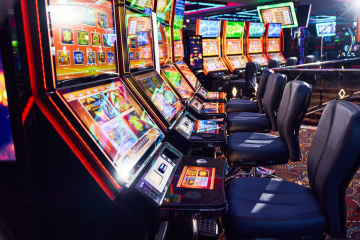
Additionally, casinos often use bright lights, vibrant colors, and engaging sounds to enhance the excitement of gambling. Such stimuli are scientifically shown to trigger dopamine release in the brain, creating a pleasurable experience associated with betting. By enhancing the overall atmosphere, casinos can manipulate emotions, making players more likely to engage in riskier gambling behaviors. These psychological strategies are subtle yet powerful, setting a stage where players can easily succumb to impulsive decisions.
Another tactic often utilized is the concept of near misses. Many slot machines and other games are designed to create the illusion of victory by allowing players to experience near wins. For example, when a player gets two out of three matching symbols, it can evoke a sense of hope and excitement, pushing them to continue playing despite the odds. This sense of almost winning can create a compulsive cycle, ultimately influencing gambling decisions by fostering the belief that a win is just around the corner. These carefully crafted experiences can greatly affect the way players engage with various gambling activities.
The Role of Promotions and Incentives
Promotions and incentives are integral to casino strategies, serving as a key mechanism to influence gambling behavior. Many casinos offer enticing bonuses, such as match deposits, free spins, or loyalty points, to attract new players and retain existing ones. These promotions can be compelling, encouraging players to gamble more in hopes of maximizing their benefits. For instance, a player lured by the promise of free credits may feel compelled to wager larger sums than they would typically consider, thereby affecting their overall gambling decisions.
Free play incentives can also create a sense of obligation in players. When someone receives free credits, they may feel an unspoken pressure to spend their own money to continue playing, operating under the assumption that winning during playtime can compensate for any initial losses. In effect, these incentives can generate a cycle of increased betting behavior, as players often convince themselves that they are not spending their own money but rather utilizing casino-provided funds. This mindset can further skew their perception of risk, potentially leading to larger wagers than they would typically make.
Loyalty programs, another common promotional strategy, encourage players to return to the casino by rewarding them for their continued play. The more loyal a player becomes, the greater the potential rewards, which can include complimentary meals, hotel stays, or exclusive event access. This creates a sense of community and belonging for players, motivating them to gamble more frequently in pursuit of additional perks. As players become invested in these programs, their decision-making around gambling can shift significantly toward more frequent high-stakes play, ultimately altering their financial outcomes.
The Impact of Game Design and Layout
Game design and the layout of casinos play a crucial role in influencing player decisions. Sophisticated algorithms govern modern slot machines, ensuring that they provide just enough wins to keep players engaged. The “random” nature of these games is carefully engineered to create a balance between excitement and the likelihood of losing. This design can lead players to misjudge their chances of winning, prompting them to place additional wagers in hopes of hitting a big jackpot. The allure of instant gratification makes players susceptible to these designs, often leading to unplanned increases in their gambling activities.
Moreover, the arrangement of gaming tables and machines is intentional, with high-stakes areas positioned to attract players seeking excitement. Casinos often funnel foot traffic toward specific games that are known for higher payoffs or increased excitement, effectively guiding players toward certain gambling decisions. High-roller areas generally contain more lavish decor and amenities, signaling exclusivity and leading players to feel that larger bets equate to greater prestige. By creating this environment, casinos can perform an invisible yet powerful influence over the money spent by players.
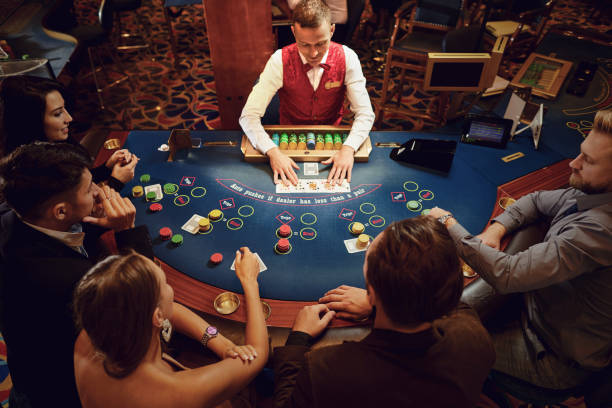
Lastly, the presence of other players can significantly affect individual gambling decisions. Observing other players experiencing wins or engaging in emotional experiences can evoke a sense of competitiveness and excitement. This phenomenon, known in psychology as social proof, can push individuals to follow the crowd, leading to riskier bets or decisions that they may have otherwise avoided. As players notice the enjoyment of others, they may feel compelled to immerse themselves in that same experience, making impulsive decisions in the process.
The Influence of Marketing and Advertising
Marketing and advertising strategies employed by casinos are specifically designed to capture attention and shape public perception. From lavish billboards to targeted digital ads, the imagery and messaging emphasize the thrill and excitement associated with gambling. These campaigns often portray the idea that patrons can win life-changing amounts of money, creating a sense of aspiration. This aspirational messaging can deeply influence an individual’s decision to gamble, as it taps into their desires and dreams, often overshadowing potential risks.
Furthermore, the use of endorsements from celebrities or popular figures can enhance the appeal of gaming establishments. When a well-known figure endorses a casino or a specific game, it can spark curiosity and interest, prompting individuals to try their luck. The association of gambling with glamorous lifestyles can lead potential gamblers to overlook important considerations like responsible gambling practices. As a result, the marketing influence can skew the perception of gambling, leading to more impulsive decision-making.
Social media plays an increasingly prominent role in casino marketing. Platforms like Instagram and Facebook enable casinos to share real-time experiences, showcasing wins and exciting events, which can be incredibly enticing. This continuous exposure can create a sense of community and FOMO (fear of missing out) among players, influencing them to participate in gambling activities. The more they witness others enjoying themselves and potentially winning, the more likely they are to want to partake, creating a cycle that can result in increased gambling activity.
Understanding Responsible Gambling Practices
As the influence of casinos on gambling decisions grows, the importance of understanding responsible gambling practices cannot be overstated. Players must recognize the psychological and emotional factors at play when they engage in gambling activities. Awareness of one’s limits and knowing how to set boundaries can significantly affect gambling behaviors, helping individuals make more informed decisions. Implementing self-imposed restrictions or seeking educational resources can create a buffer against impulsive gambling.
Additionally, many casinos provide resources and support for responsible gambling, offering tools for players to self-monitor their habits. These tools may include time limits, deposit limits, and loss limits, which are all intended to encourage moderation. By actively engaging with these available tools, players can take control of their gambling habits, minimizing the casino’s influence over their decisions. This proactive approach fosters a healthier relationship with gambling and can mitigate the adverse effects of persuasive casino strategies.
It is crucial for players to educate themselves on the signs of problematic gambling behavior. Recognizing the signs early on can empower individuals to make necessary changes before it escalates into a serious issue. By maintaining an open dialogue about gambling within societal contexts and personal environments, individuals can promote awareness that may not only influence their decisions but also those of others around them. This communal understanding is essential in fostering a culture of responsible gambling.