

Understanding the Role of Luck in Casino Games
Luck is often considered the primary driving force behind many casino games, influencing outcomes in ways that can be unpredictable and surprising. In games such as slots, roulette, and dice, players rely largely on chance to determine their wins or losses. This notion of luck refers to the random events that can lead to favorable or unfavorable results, creating a gaming environment where players hope to be on the winning side, especially when exploring no kyc casinos that offer unique experiences. This expectation is fundamental in attracting many individuals to casinos, where the thrill of chance is palpable.
The concept of luck is especially prominent in games that offer little player influence over the outcome. For instance, when spinning the reels on a slot machine, players have no control over which symbols will land, emphasizing the reliance on chance. The excitement of potentially hitting a jackpot is driven by the unpredictability of the results, demonstrating how luck can swiftly alter someone’s financial situation. This element of surprise is crucial in creating an exhilarating atmosphere that keeps players engaged and eager to return, as each spin holds the potential for significant reward.
Furthermore, the psychological impact of luck can significantly influence player behavior. Many individuals tend to attribute their wins to fortune while downplaying the risk of loss, often leading them to chase their losses with the belief that their luck will eventually change. This cognitive bias is a common phenomenon in gambling, where hope and luck dominate the player’s mindset, even if the mathematical odds are typically against them. Understanding this psychological dynamic is essential for anyone interested in casino gaming, as it shapes the overall experience and can lead to more informed decision-making.
The Importance of Skill in Gambling
While luck is undeniably a significant factor in many casino games, the importance of skill cannot be overlooked, particularly in games that require strategic thinking and informed decision-making. Table games like poker and blackjack highlight this aspect, allowing skilled players to leverage their knowledge to influence outcomes. Understanding the rules, hand probabilities, and effective betting strategies can help players minimize losses and enhance their chances of winning, showcasing the competitive nature of these games.
In skill-based games, players can continuously improve their abilities over time. For example, in poker, success hinges not only on understanding the odds but also on mastering psychological tactics such as reading opponents and bluffing. Adapting one’s strategy based on the evolving dynamics of the game often proves crucial for achieving favorable results. This depth of strategy is absent in fully luck-driven games, making skill-based games more rewarding for those willing to invest time and effort into refining their capabilities.

Moreover, honing one’s skills in casino gaming can lead to a more sustainable approach to gambling. Players who focus on developing their strategies can potentially shift the odds in their favor, creating a more stable gambling experience compared to those who rely solely on luck. As individuals dedicate time to learning effective techniques and strategies, they may discover a greater level of success in their gaming endeavors. This underscores the idea that while luck plays a role, skill is equally important in achieving consistency and long-term enjoyment in casino gaming.
Balancing Luck and Skill in Casino Gaming
The interplay between luck and skill in casino gaming is complex, with both elements influencing a player’s overall experience. In many instances, players encounter a mixture of both luck and skill, especially in games allowing strategic decision-making alongside random outcomes. This balance shapes how players approach their gaming experience, prompting them to devise strategies to navigate the uncertainties that chance brings to the table.
Take blackjack, for instance. Although the dealer’s hand and the shuffling of cards are determined by luck, a knowledgeable player can employ strategies like card counting and optimal betting to mitigate risks and improve their odds of winning. This illustrates that while luck cannot be entirely eliminated from the equation, skill can help players adapt and respond to the inherent randomness of the game. Such strategic approaches not only enrich the gaming experience but also differentiate casual players from those striving for success over the long haul.
The casino gaming industry has recognized this delicate balance and responded by offering a diverse range of games catering to varied player preferences. Some may revel in the thrill of spinning a roulette wheel, where luck prevails, while others might be drawn to the strategic complexities of poker or blackjack, which reward skill and thoughtful decision-making. This variety ensures every type of player can find something that resonates with their style, ultimately enhancing the overall appeal and accessibility of casino gaming.
Psychological Factors Influencing Luck and Skill Perception
The perception of luck versus skill in casino gaming is profoundly shaped by psychological factors that influence a player’s mindset. Cognitive biases, such as the gambler’s fallacy, can lead players to overestimate their understanding of luck’s role in outcomes. For example, players may believe that after a series of losses, they are „due” for a win, skewing their decision-making and potentially leading to reckless betting. This misconception can add to the excitement and unpredictability of gambling but may also result in detrimental financial choices.
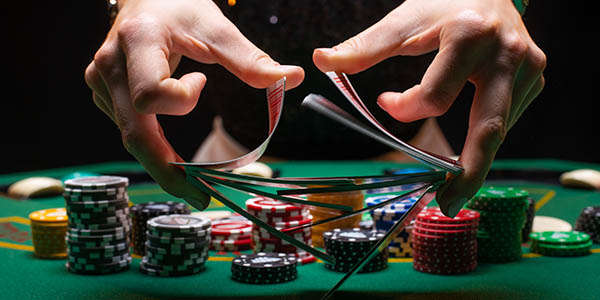
Another psychological aspect affecting how players perceive their involvement in games of chance is the sense of control. Many gamblers prefer games they believe they can influence, as this provides a sense of agency amidst the randomness. This is particularly evident in skill-based games, where strategic input correlates with better outcomes. The thrill of effectively employing one’s skills fosters a deeper connection to the game, allowing players to feel they are active participants in shaping their fortunes rather than passive recipients of luck.
In contrast, those engaging exclusively in luck-based games often experience a range of emotions tied to unpredictability, including anticipation and anxiety. Recognizing these psychological elements is crucial for players seeking to cultivate healthier gambling habits. By understanding when their decisions are swayed by cognitive biases, players can make more rational choices that promote a balanced approach to gaming, appreciating both the luck and skill components of their experiences.
Exploring the Future of Skill and Luck in Casino Gaming
As the landscape of casino gaming continues to evolve, the interplay between luck and skill remains a central focus for players and developers alike. The emergence of online gaming and mobile applications has created new opportunities for players to engage with both types of games. With technological advancements, skill-based games are gaining popularity, offering more interactive experiences that appeal to a new generation of gamers seeking challenges that extend beyond traditional luck-based offerings. This shift may redefine how players perceive and navigate their gaming choices.
The growing popularity of eSports and competitive gaming further highlights an increasing appetite for skill-driven encounters. This trend indicates that players may become more discerning about their gaming experiences, actively seeking out opportunities that provide not only entertainment but also avenues for skill enhancement. As casinos adapt to these changes, there may be a greater emphasis on skill over luck, transforming the gambling culture to encourage responsible gaming practices and education about the dynamics of both elements.
Ultimately, understanding the balance between luck and skill in casino gaming is vital for players who wish to engage meaningfully in the industry. By recognizing how these elements interact and influence outcomes, individuals can make informed decisions that lead to more enjoyable and potentially rewarding gaming experiences. This holistic perspective will not only benefit players but also contribute to the sustainability of the casino gaming ecosystem as a whole, fostering an environment where both luck and skill are appreciated for their unique contributions to the gaming experience.